
Scooter boards in PE class

Scooter boards in PE class
Scooter boards are the square sit-on platforms with four castors that appear in gym classes, and they are a genuinely different product from anything else on this site. They are built for indoor floors, for groups, and for a level of abuse a home toy would not survive.
Here is what separates a good one.
Non-marring wheels
This is the specification a school cares about most. Standard castors leave black marks on a sports floor, and a set that has to be banned after one lesson is money wasted.
Non-marring wheels are stated by the maker and are on our listings.
Hand guards
The most common injury with these is fingers under the edge of a board. Raised hand guards around the perimeter prevent it and are the single most important feature on a board used by a class.
Boards without them are cheaper and are not suitable for group use.
Weight capacity
A board rated for a small child is not rated for a teacher demonstrating, and boards are frequently used by adults. The stated capacity is a structural figure and is on every listing.
For a mixed-age school, buy for the largest likely user.
Size
Sixteen inches is the common size and suits most primary-age children sitting cross-legged. Twelve-inch boards are for smaller children and for hand-only activities.
Where a board will be used for lying-down activities, larger is better.
Handles
Recessed handles let a board be carried and stacked easily and give a rider something to hold. They are also where the board is picked up by thirty children at once, so their attachment matters.
Moulded-in handles outlast bolted-on ones.
Stacking and storage
A set of thirty has to go somewhere. Boards that nest or stack squarely save a great deal of cupboard space, and a trolley is worth budgeting for at the same time as the boards.
Boards stored on their sides roll away, which is its own problem.
Floor surface
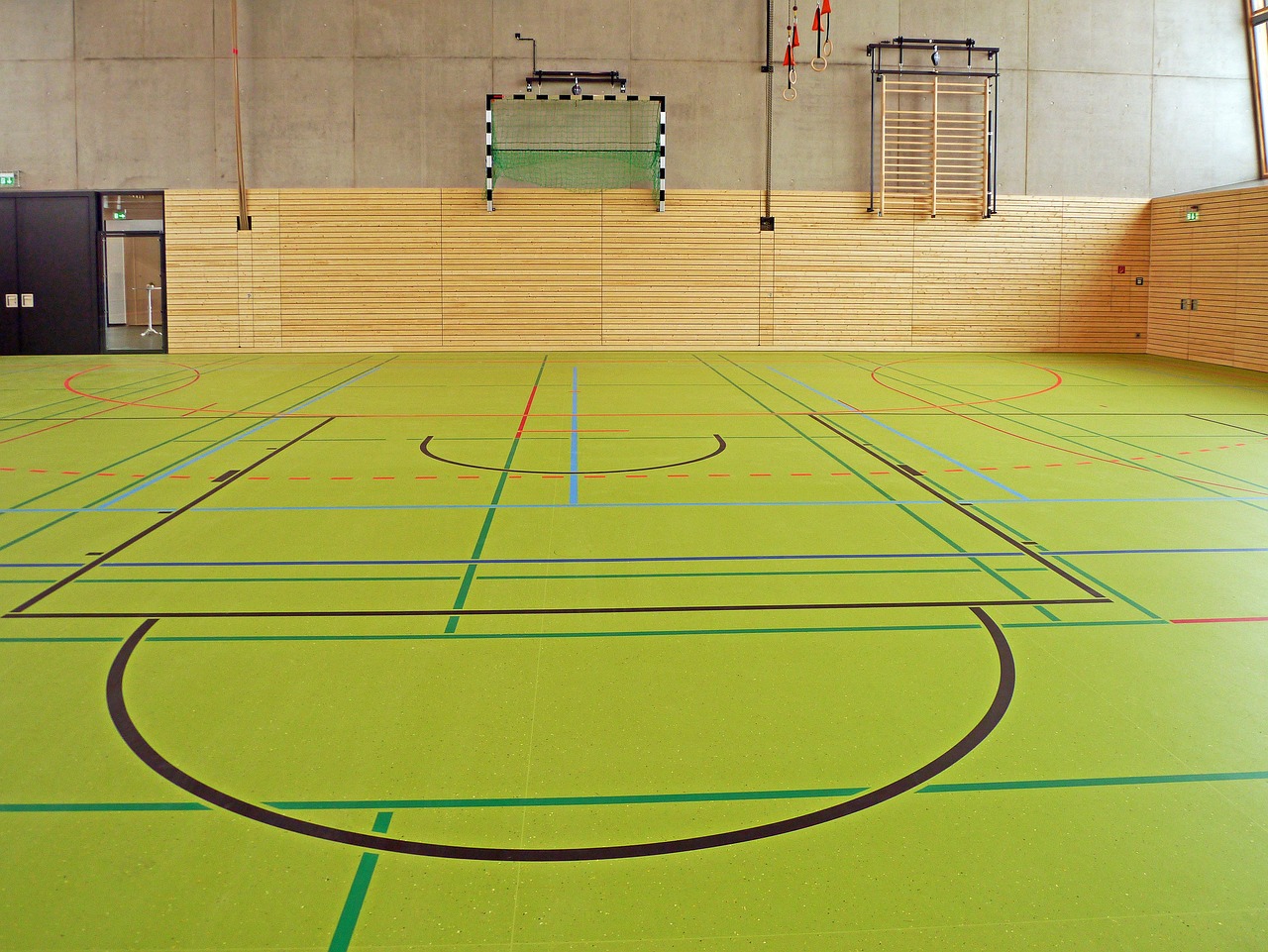
Sprung wooden floors and smooth vinyl are ideal. Carpet is unusable. Outdoor tarmac destroys castors quickly and is not what these are for.
Check the surface before ordering a set.
What they are used for
Core strength, coordination, relay games, adapted PE and inclusive activities where a child who cannot run can compete equally. That last one is the reason many schools buy them.
They are also used for hand-and-arm work with the board under the torso.
Safety rules that make them work
Sitting or lying only, never standing. Hands on the guards, not under the edge. No pushing another rider. Those three cover nearly every incident.
Establishing them in the first lesson is standard practice.
Maintenance
Castors collect hair and thread and should be checked termly. A castor that has seized drags and marks the floor, which is how a non-marring set stops being one.
Replacement castors are usually available for established models.
Buying a set
One board between two children works well for relay activities and halves the cost; one each is better for skill work. Most schools start with fifteen for a class of thirty.
Colour sets make team activities easier to organise.
Where to look
The shelf is scooter boards for PE. For playground use, kick scooters and helmets and protective gear are the relevant pages.
We are happy to quote for a school set — the number is on the contact page and delivery is on the shipping policy page.
Making a set last
Scooter boards are effectively indestructible in normal use and are nearly always retired for one of two reasons: seized castors and lost boards. The first is a five-minute job per board once a term — hair and thread wind around the axles and eventually stop them turning, at which point the board drags and marks the floor it was bought not to mark.
The second is a storage problem. A trolley or a labelled stack in a fixed place means a missing board is noticed the same day rather than at the end of the year, and boards that leave a gym rarely come back. Schools that number their boards and count them back at the end of a lesson keep sets for a decade; those that store them loose in a corner replace them every few years.
Activities that use them well
The obvious use is a seated relay, and it is the one that produces the most noise and the least development. The activities that get more out of a set are the ones using the arms and the core: lying face down and pulling along a rope, sitting and propelling with the hands only, or working in pairs where one rider pulls another. All of those build the strength the boards are actually good for.
They are also among the best pieces of equipment for inclusive PE, because a seated activity puts a child who cannot run on genuinely equal terms with one who can — not as an accommodation, but as the same activity. That is the reason a great many schools buy a set, and it is worth knowing before choosing between fifteen boards and thirty.