
A first trip to the skatepark

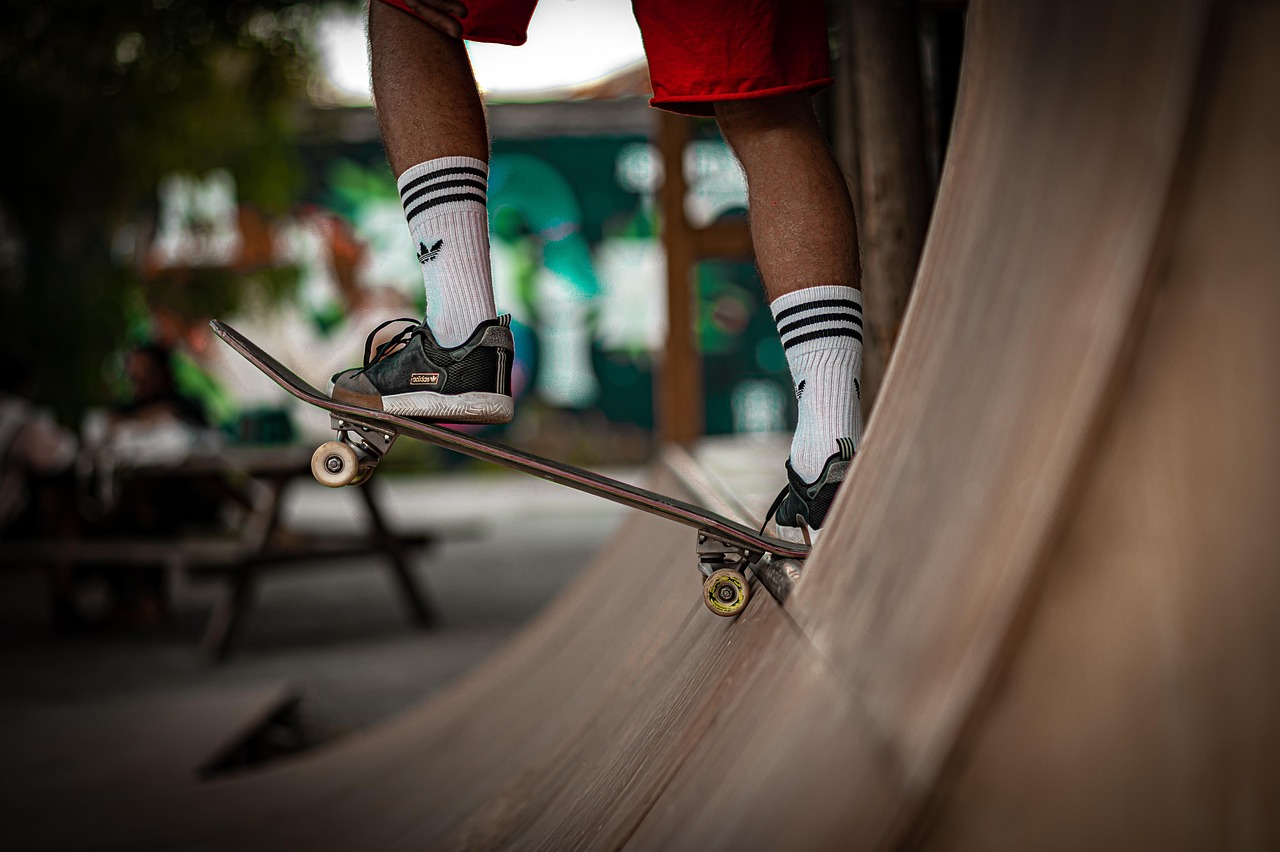
A first trip to the skatepark
A first visit to a skatepark goes badly for two reasons far more often than any other: arriving at the busiest time, and not knowing how taking turns works. Both are easy to avoid, and neither has anything to do with ability.
Here is what tends to make a first trip work.
Go early
Weekday mornings and early weekend mornings are quiet. Late afternoons and evenings are when experienced riders arrive, and a beginner learning where the ramps are in a busy park is stressful for everybody.
An hour at nine on a Saturday is worth three at four in the afternoon.
Watch before riding
Spending ten minutes sitting at the edge watching how people move through the park is the single most useful thing a first-timer can do. Lines become obvious, and so does where people wait.
It also settles nerves better than being told it will be fine.
How turns work
Most parks run on an informal queue: people take a run, then return to the edge and wait. Dropping in while somebody is mid-line is what causes collisions and irritation, and it is nearly always accidental.
Watching for a gap and making eye contact before setting off covers it.
Stay out of the middle
Standing in the flat centre of a park is standing on everybody’s line. Wait at the edge, on top of a bank or against a wall.
This is the rule most often broken by adults accompanying children.
Start on the flat
The flat area and the smallest banks are where the first session belongs. Getting comfortable turning, stopping and rolling over a small transition is a session’s worth of work, and the bowl will still be there next week.
Rushing to a big feature is how first visits end early.
Gear, actually worn
Helmet, knee pads and wrist guards. A first session at a park involves falling, and falling on concrete is different from falling on grass. Many parks require a helmet as a condition of entry.
Fitting them properly is covered in fitting a helmet and pads.
Bring the right scooter
A folding kick scooter at a park will damage its folding joint and is genuinely unsafe on a transition. An entry-level complete stunt scooter is the right tool and does not cost much.
The difference between the two is set out in kick scooters and stunt scooters are not the same.
What else to bring
Water, a multi-tool that fits the clamp and axle bolts, and a spare set of gloves if the wrist guards rub. Nothing else is necessary.
A bolt loosening mid-session is common and takes thirty seconds to fix if the tool is in the bag.
Adults at the edge
The instinct to stand close is strong and puts an adult in the run-out area. Watching from outside the park is safer for everybody and, for most children, considerably more relaxing.
Coaching from the side rarely helps at this stage.
Expect one session to be enough
Forty-five minutes is a long first visit. Concrete is unforgiving and a tired rider falls more. Leaving while it is still going well is what makes somebody want to come back.
Two short sessions beat one long one, reliably.
Local etiquette varies
Some parks have scooter-specific rules or times. Checking before travelling avoids an awkward conversation, and most parks post their rules at the entrance.
Asking a regular is usually the fastest way to find out how a particular park works.
Where to look
Stunt and pro scooters and helmets and protective gear are the two shelves for this, with skateboards alongside.
The shop is closed Mondays; hours and the number are on the contact page.
Going back a second time
The visit that matters is the second one, and it is the one most likely not to happen. A first session that ended tired, sore or embarrassed becomes a memory that is hard to argue with, which is why finishing early and on a good moment matters more than any amount of progress made on the day.
The other thing that reliably brings people back is going with somebody. A first-timer at a park alone is conspicuous; two beginners together are simply two people practising, and the whole experience is easier. If there is nobody obvious to go with, a quiet weekday morning does much the same job — an empty park is a far friendlier place to learn than a busy one, and the ramps do not care what time it is.
Learning somewhere that is not a park
A skatepark is not the only place to get comfortable, and for the first few weeks it is often not the best one. An empty car park on a Sunday, a quiet stretch of smooth pavement or a school playground out of hours gives space to work on turning, stopping and riding switch without anybody waiting. Those are the skills that make a park visit enjoyable, and none of them need a ramp.
The transition then becomes much less daunting, because the first park session is about learning where things are rather than learning to ride. Most people who take to it did their basic riding somewhere flat and boring first, whether they remember it that way or not.