
Scooter maintenance basics

Scooter maintenance basics
Scooters need very little maintenance and get almost none, which is why most of them develop a rattle within a month and a wobble within three. Five minutes with an allen key handles nearly all of it.
This is the whole routine.
Clamp bolts first
The clamp holds the bars to the fork and it is the single most important fastener on a scooter. It loosens with use, and a loose clamp is what causes bars that twist independently of the wheel.
Check it monthly and after any hard landing. Tighten evenly across all bolts rather than fully tightening one at a time.
Headset
Hold the front brake or the wheel and rock the scooter forward and back. Any knocking is headset play. On most scooters this is adjusted by a top cap bolt tightened until the play disappears and the bars still turn freely.
Play left unaddressed damages the bearing races, which is a part replacement rather than an adjustment.
Wheel nuts
Both axles should be tight enough that the wheel does not move sideways and free enough that it spins. A wheel that stops abruptly when spun has an over-tightened axle.
This is the usual cause of a scooter that feels slow for no obvious reason.
Bearings
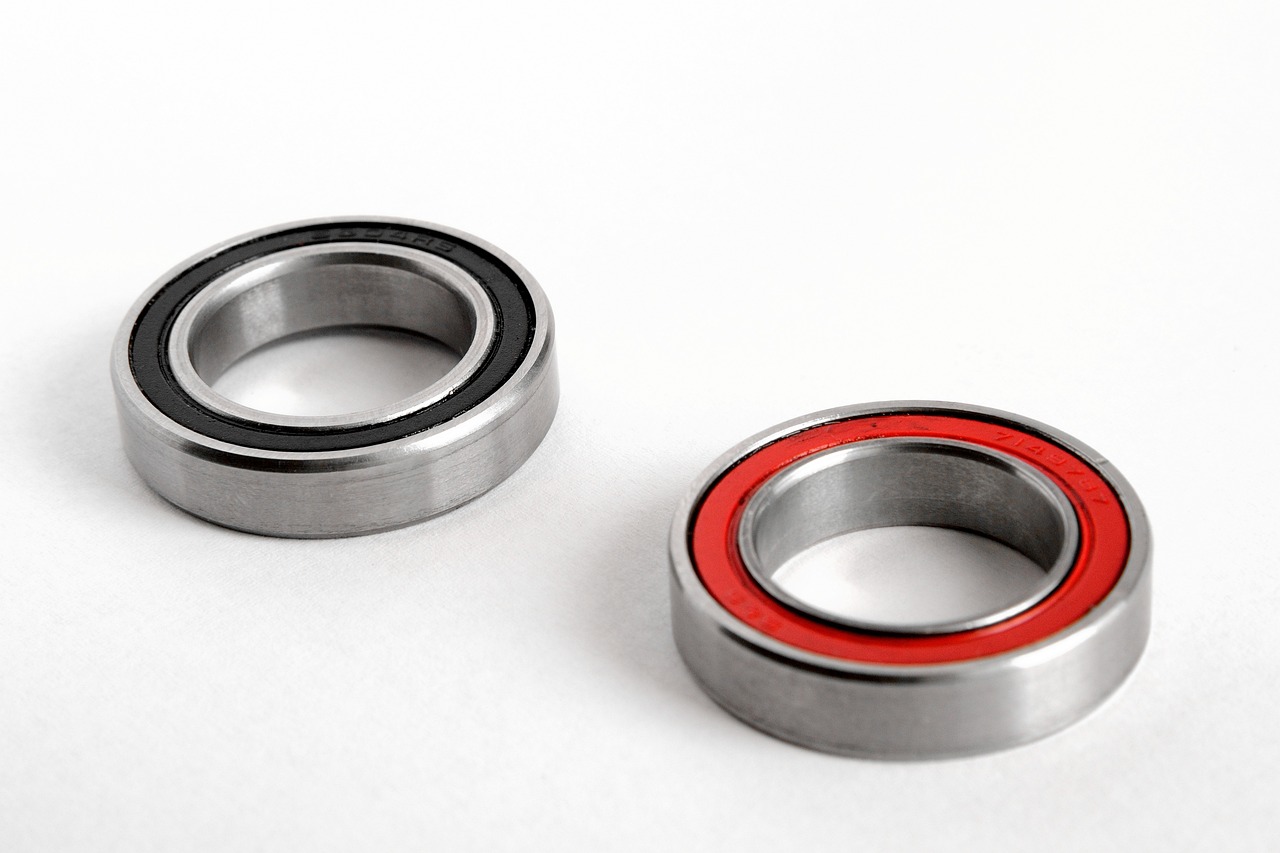
Spin each wheel and listen. A smooth whirr is fine; grinding means dirt, and a rattle means a damaged bearing. Water is the main enemy — riding through puddles then leaving a scooter wet ruins bearings faster than anything else.
They are inexpensive and are a straightforward replacement.
Wheels themselves
Look for flat spots and for the urethane separating from the core. Both are replacement signals. Wheels wear unevenly depending on how somebody rides, and swapping front and back extends their life.
Wheel size and hardness are on the listings.
Grip tape
Grip tape that has worn smooth is a slipping hazard on a stunt scooter and is a two-minute replacement. Peel the old one, clean the deck, apply the new sheet, trim with a blade.
On a kick scooter the deck is usually a moulded surface instead and simply needs cleaning.
Folding joints
On a folding scooter the hinge and its latch take the load. Check for play by folding and unfolding, and by pressing down on the deck with the scooter open. Any movement in the latch needs adjusting or replacing straight away.
A failing folding latch is the most consequential fault on this shelf.
Brake
The rear fender brake wears down and eventually contacts the wheel permanently or not at all. Both are visible. Replacements are cheap and specific to the model.
Check it at the same time as the wheels.
Noises and what they mean
A click on every wheel rotation is usually a bearing or something stuck in the wheel. A rattle over bumps is usually a loose clamp or brake. A knock when braking is headset play. Each has a specific cause and none of them go away on their own.
Diagnosing by sound saves stripping a scooter down.
Cleaning
A damp cloth and drying afterwards. Never hose a scooter — water in the bearings and the headset is the fastest way to wreck both.
Dry it after riding in the wet, and dry the wheels particularly.
Storage
Indoors and dry. A scooter left in a garden shed over winter will need bearings in spring. Cold does no harm; damp does.
Standing it upright rather than on its side keeps the bars from taking a set.
Where to look
Scooters are on kick scooters and stunt and pro scooters, with pads on helmets and protective gear.
The counter can identify a part from a photograph — the number is on the contact page.
A tool kit worth owning
Nearly all of this is done with two tools: a set of allen keys and a small adjustable spanner or the correct socket for the axle nuts. Many scooters ship with a folding multi-tool that covers both, and keeping it in the bag rather than in a drawer is what determines whether anything gets tightened.
Beyond that, a spare set of bearings and a spare grip tape sheet cover the two consumables that actually run out. Both are inexpensive and both turn a scooter that has become unpleasant to ride back into one that feels new, which is a considerably better outcome than replacing it. A scooter kept tight and clean lasts for years; the ones that get replaced early are almost always the ones nobody ever put a key on.
Teaching a child to do it
Most of this routine is well within what a nine or ten-year-old can do, and there is a good argument for handing it over rather than doing it for them. A rider who tightens their own clamp notices the rattle that means it has loosened, and a rider who has changed their own bearings understands why riding through a puddle matters. It is also the fastest route to a scooter that is actually maintained, because it stops being an adult chore that gets forgotten.
Start with the clamp bolts, which are the most important and the hardest to get wrong. Wheels and bearings can follow once that is habitual. The one job worth keeping is the headset adjustment, which is easy to over-tighten and takes a feel that comes with practice.